
Too long, didn’t read:
Water is essential to agriculture, public health, and economic stability, but usable freshwater is far more limited than its global abundance suggests.
Water crises are not always as visible as declining lakes or the Aral Sea; groundwater depletion can remain hidden until wells deepen, costs rise, and access begins to fail.
The Indo-Gangetic Aquifer shows how a water-management problem can become far more serious when the same resource supports food production and the daily needs of hundreds of millions of people.
Water Is Life
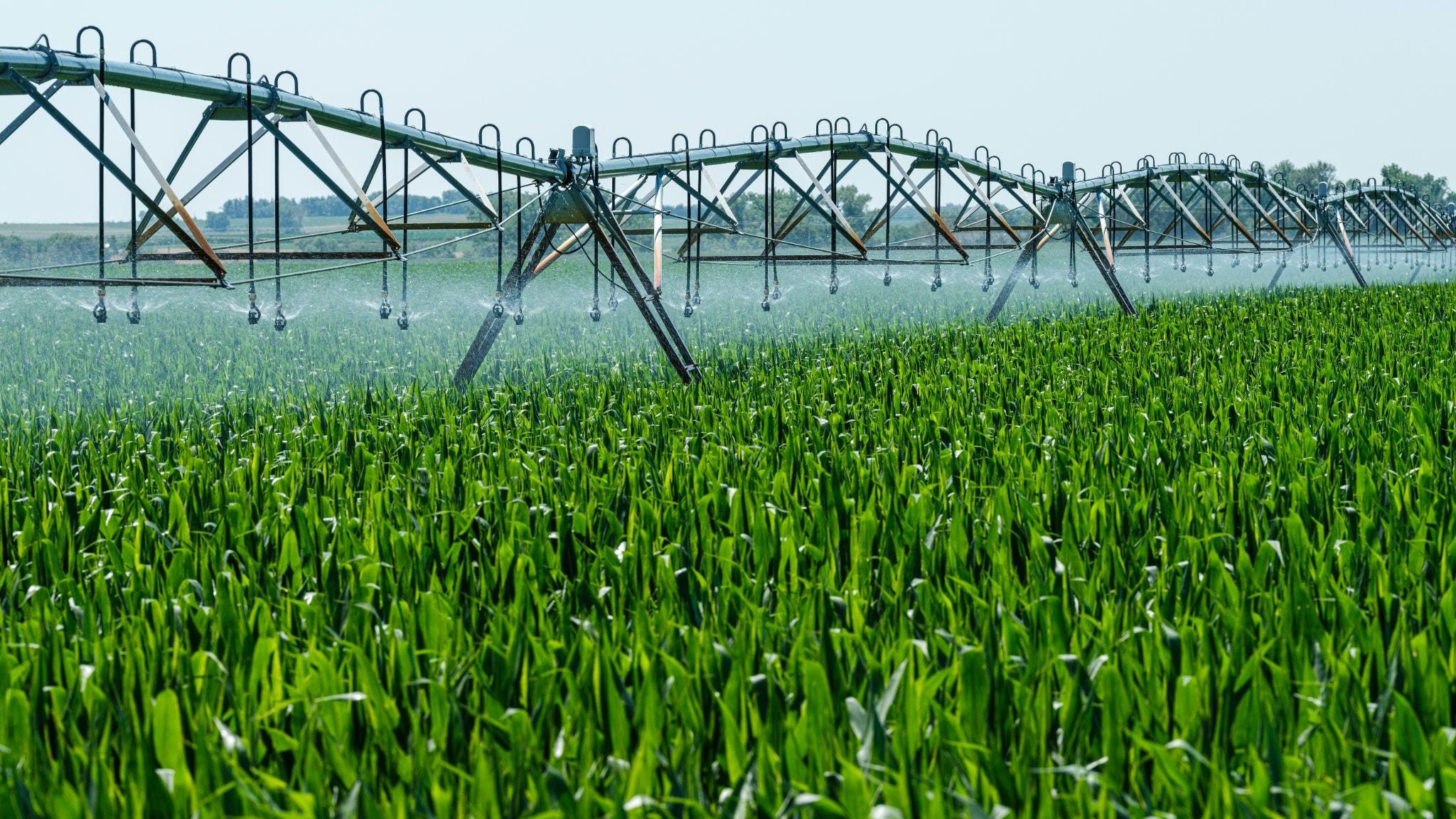
Photo via Unsplash
Water is central to nearly every conversation in agriculture because the industry depends on it. It influences what can be grown, where production can occur, and how productive the land is over time. It also supports livestock, food processors, rural businesses, and the communities built around agricultural production.
Its importance extends far beyond the farm. Approximately 60 percent of the adult human body is water, and about 71 percent of the Earth’s surface is covered by it. Yet only about 2.5 percent of the planet’s water is freshwater, and much of that is stored underground or frozen in glaciers and ice.
Water may appear abundant at the global level, but the amount that is fresh, safe, accessible, and located where people need it is much more limited. Global water abundance does not necessarily translate into local water security because it must be available in the right place, at the right time, and in a condition that allows people to use it safely.
Those who work in agriculture understand this distinction well. When water becomes less available, less reliable, or otherwise more expensive to access, the effects extend beyond crop and livestock production. They can influence everything from farm income to the stability of rural communities.
The Water Crises We Recognize
Several water challenges in the U.S. have become visible examples of resource decline. In the Desert Southwest, falling shorelines around Lake Mead and Lake Powell have helped draw attention to the pressure facing the Colorado River Basin, while California has experienced recurring drought, extensive groundwater pumping, dry domestic wells, and land subsidence. In each case, the evidence can be seen with the naked eye and makes the problem hard to ignore.
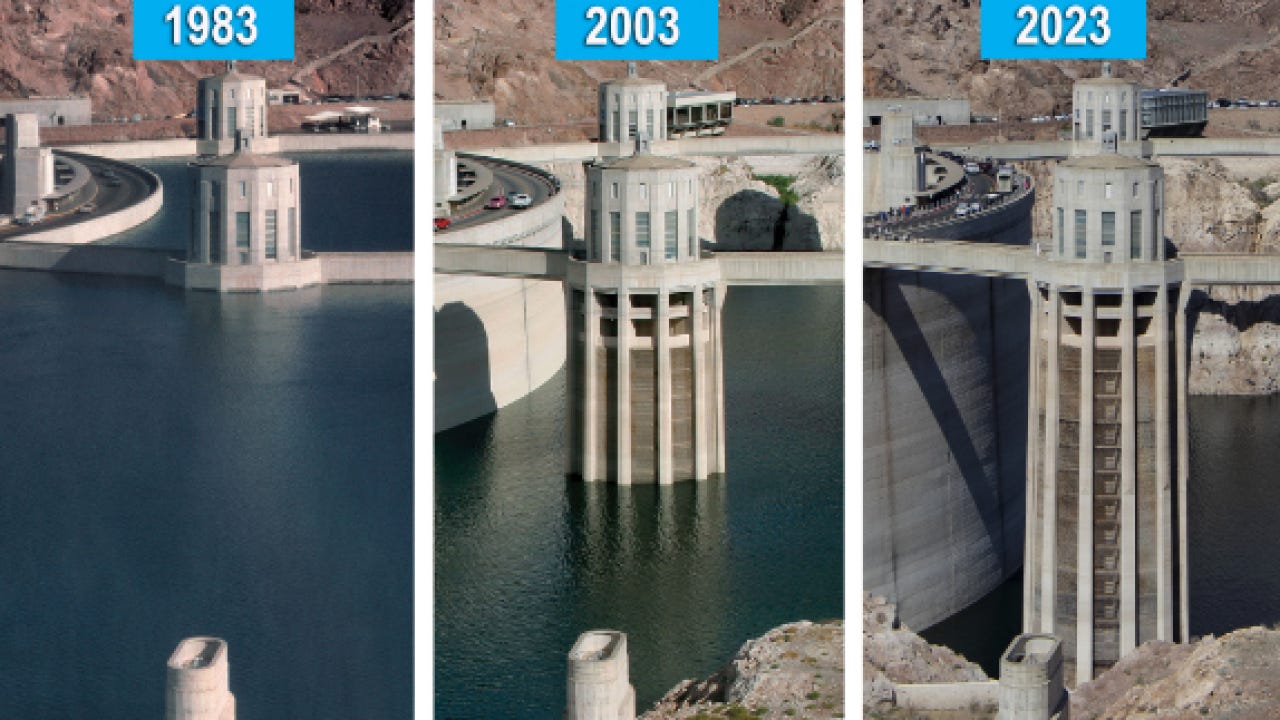
Photo via KTNV News
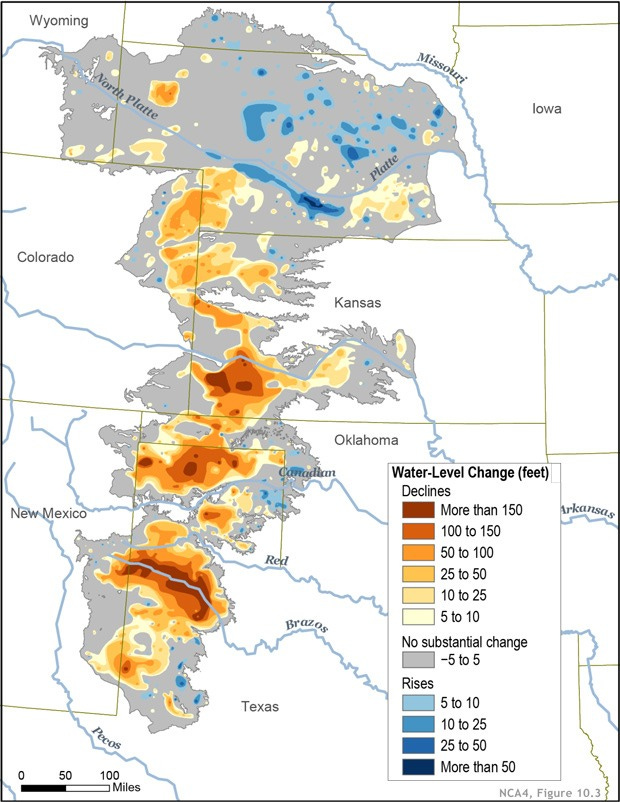
Across the Great Plains, producers and communities continue to confront the decline of portions of the Ogallala Aquifer. The aquifer underlies parts of eight states and supports one of the country’s most productive agricultural regions. However, conditions vary considerably across the system. Many northern areas remain stable while parts of the southern High Plains have experienced substantial declines. Some areas have seen complete and total depletion while others are pumping on borrowed time.
Those differences serve as a reminder that the Ogallala cannot be treated as one identical water source from north to south. A region with stronger recharge and greater remaining capacity does not face the same immediate pressure as a county where irrigation capacity has already fallen considerably. In the most affected areas, producers may eventually need to reduce irrigation, change crops, improve water-use efficiency, or transition some acreage to dryland production.
Abandoned irrigation infrastructure aside, groundwater depletion is often difficult to observe. Wells gradually deepen, pumping costs rise, and smaller domestic wells may fail long before the larger system appears to be in crisis. The Ogallala has been experiencing this for decades, with the earliest well abandonments and resulting adverse community impacts occurring in some pockets of the southern High Plains as early as the 1950s.
Map via National Climate Assessment
Beyond the Aral Sea
Globally, perhaps no water crisis is more visually recognizable than the decline of the Aral Sea, once the world’s fourth-largest lake. Images of large ships resting on a dry desert floor communicate the scale of the loss without requiring much explanation. Those vessels once traveled across a body of water that supported fishing, transportation, and employment in surrounding communities and the greater Uzbekistan-Kazakhstan region and beyond.
The Aral Sea is not the only global water system showing the consequences of long-term stress. Dead Sea levels continue to decline, fossil groundwater is being depleted in parts of the Arabian Peninsula, Central Mexico has experienced severe groundwater overdraft and land subsidence, and here at home, aside from the cases already discussed, the Great Salt Lake is even in crisis. Bangladesh presents a different but not unrelated concern, as naturally occurring arsenic has made groundwater from many wells unsafe to drink.
Although each of these situations has different causes and consequences, they reveal a similar pattern. Water can continue supporting agriculture, households, and economic activity even as the long-term stability of the resource declines. The immediate benefits of water use are easy to recognize, while depletion and contamination may remain largely hidden until the consequences become costly and difficult, or even impossible, to reverse.
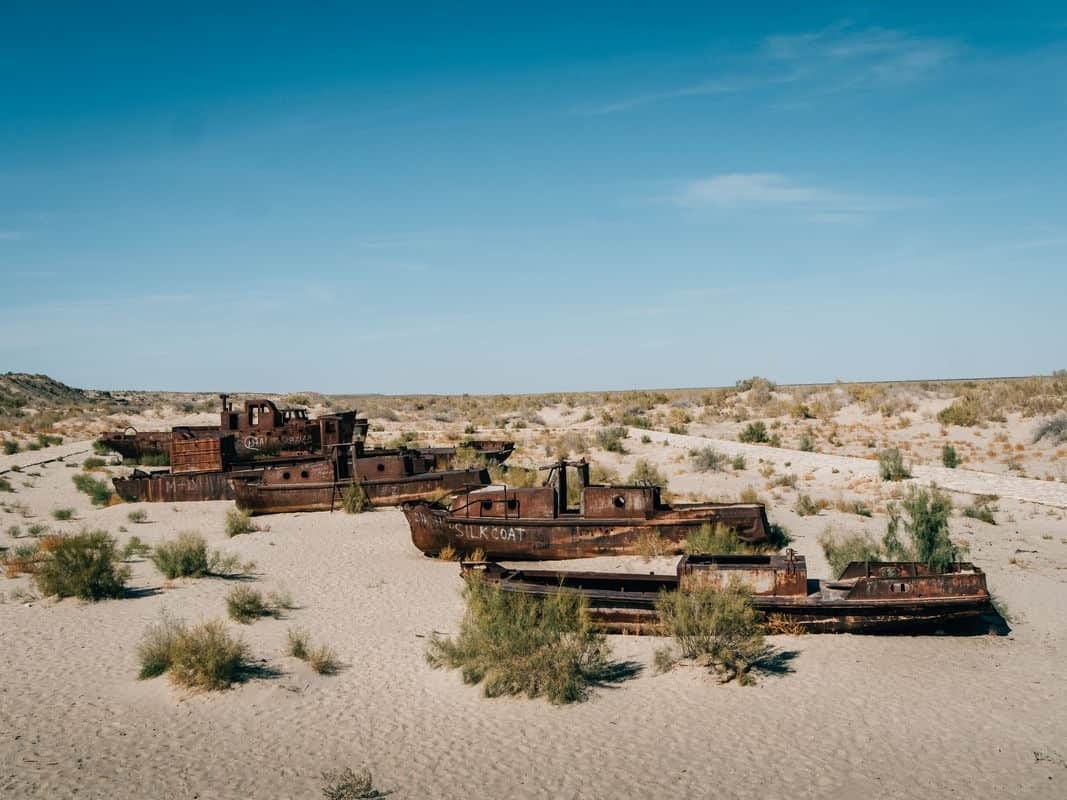
Photo via Journal of Nomads
The Indo-Gangetic Aquifer and the Looming Humanitarian Crisis
The Indo-Gangetic Aquifer stretches beneath portions of Pakistan, India, Nepal, and Bangladesh. It lies below one of the most densely populated and agriculturally important regions in the world and supports farms, cities, villages, industries, and hundreds of millions of people. The aquifer is essential to the production of rice, wheat, and other crops that contribute to regional food security. Its importance, however, extends far beyond agriculture. Groundwater also supplies drinking water and supports household, municipal, and industrial needs throughout much of the region.
Like the Ogallala, conditions are not identical across the aquifer. Some areas remain relatively stable, while others face rapid depletion. In portions of the eastern region, water-quality concerns such as arsenic and salinity may present a more immediate risk than the total amount of water stored underground. Some of the most heavily documented declines have occurred in northwestern India, particularly in Punjab, Haryana, Rajasthan, and Delhi. Research examining part of the early 2000s estimated groundwater losses of approximately 17.7 cubic kilometers per year, with water tables in some locations falling by as much as one foot annually.
The human consequences could be staggering. India’s government has estimated that approximately 600 million people may face water stress by 2030, while inadequate access to safe water is already linked to an estimated 200,000 deaths each year. As groundwater levels fall and contamination worsens, more families may be left with water that is unsafe to drink, too expensive to pump, or simply beyond the reach of their wells. In a region supporting hundreds of millions of people, that is not merely water scarcity; it is the foundation of a humanitarian crisis.
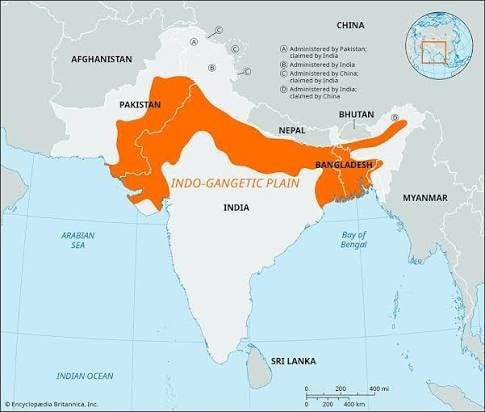
Map via Britannica Kids
A Cautionary Tale
As is almost always the case, from the perspective of the individual farmer in the region, pumping groundwater is often a practical and necessary decision. Irrigation protects crops while reducing the risk associated with uncertain rainfall and supporting household income. The larger problem emerges when the withdrawals of millions of users collectively exceed what the aquifer is able to replace. It is one of the world’s best examples of the tragedy of the commons.
The Indo-Gangetic and Ogallala aquifers are not interchangeable. They differ in climate, population density, agricultural systems, infrastructure, recharge, and patterns of water use. And, they differ in the severity of the humanitarian crisis their overuse will one day bring. However, they offer the common lesson that groundwater systems can continue supporting production even as their long-term stability weakens underground, and the severity of the situation may not be fully understood until it is (much) too late.
Water may be renewable, but that does not make it unlimited. Early action provides more opportunities to improve efficiency, adjust production systems, strengthen drinking-water infrastructure, and prepare for lower availability. Waiting until wells fail leaves farmers and regional planners far fewer and much more disruptive options for adjustment. The Indo-Gangetic Aquifer shows that once access becomes unsafe, unaffordable, or physically out of reach, the consequences extend far beyond agriculture.
Recent Articles
Rural America’s changing skyline is a sign of opportunity in Kansas Farmer
Agriculture has too much at stake to sit on the political sidelines in Kansas Farmer
Fertilizer crisis is a wake-up call for farmers in Kansas Farmer
Sorghum: An ancient grain turned essential ingredient in Kansas Farmer
Sustainability in Animal Agriculture on seroag.com
If you haven’t already, check out our previous newsletters.
About Serō Ag Strategies
At Serō Ag Strategies, we bridge farmers and supply chain partners by transforming complex agricultural data and policy into actionable insights. We also work to create and grow markets for commodity crops by aligning production with evolving demand, policy shifts, and sustainability goals. Combining multinational expertise with the personal touch of boutique consulting, we specialize in economic and sustainability analysis that drives strategic innovation.
Click here to learn more about Serō Ag Strategies.